
In the North as in the South, climate change requires transforming economic models as part of the Ecological and Social Transition (EST).
This transition rases questions. How to transform? What risks should we take and how to finance it?
Philea's new strategy aims to support our members in their EST in the medium and long term and to increase their impact.
The EST also involves taking gender issues into account because women play an essential role in the development of initiatives likely to combine mitigation and adaptation to climate change, human rights and economic activities. The success of the EST will not be achieved without the full participation of women in the new economic models to be implemented.
Philea's experience shows that it is mainly exogenous and macroeconomic risks that have affected its portfolio (currency and political risk).
The more endogenous risks, linked to members, are mitigated by the trust built over the long term by Philea and by its in-depth knowledge of development finance.
Our members have also strengthened themselves in terms of governance and management and while they still face cash flow tensions, their economic models are strong and resilient.
In the North, the business models of social enterprises still rely too much on public subsidies and therefore cannot contribute to the financing of the public sector. Financing the EST with loans is therefore not yet self-evident. In the South, EST is not yet a priority in the face of everyday issues, but this awareness is growing every day. The challenge for Philea will be to gradually initiate these transitions.
To implement this strategy, Philea needs two types of resources:
This new strategy remains aligned with Philea's purpose, which has always been to support communities that do not have access to appropriate financing. Philea is confident in its ability to support its members in successfully completing their EST and thus contribute to a better world.
On February 12, 2026, the Philea cooperative renewed its Board of Directors. The new members were elected to contribute, through their skills and networks, to the continuation of Philea’s activities and development for the 2026–2029 period.
Aude Bax de Keating is a proactive, collaborative and creative professional with more than 20 years of international experience. She has worked in international cooperation serving higher education institutions, associations, public institutions, the United Nations and NGOs, particularly in the fields of human rights, the right to development and children’s rights. She has developed strong expertise in managing multicultural teams and coordinating international programs. Multilingual (French, English, German and Spanish), she excels in optimizing service quality and managing human and financial resources. She holds a Master’s degree and a PhD in Humanities from Duke University, and is also a certified executive coach accredited by the International Coaching Federation. Aude is passionate about people and is delighted to support Philea’s mission, strategy and values.
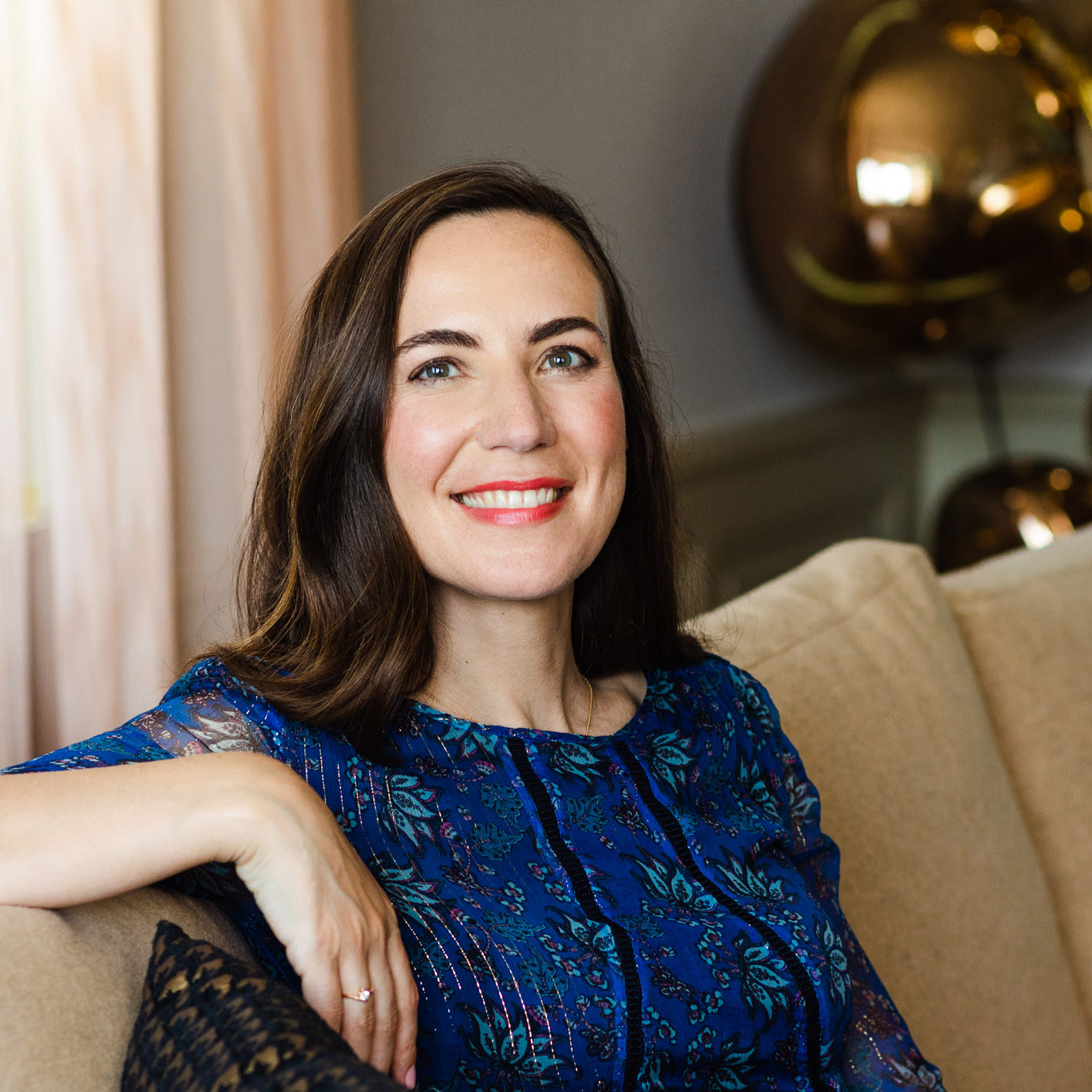
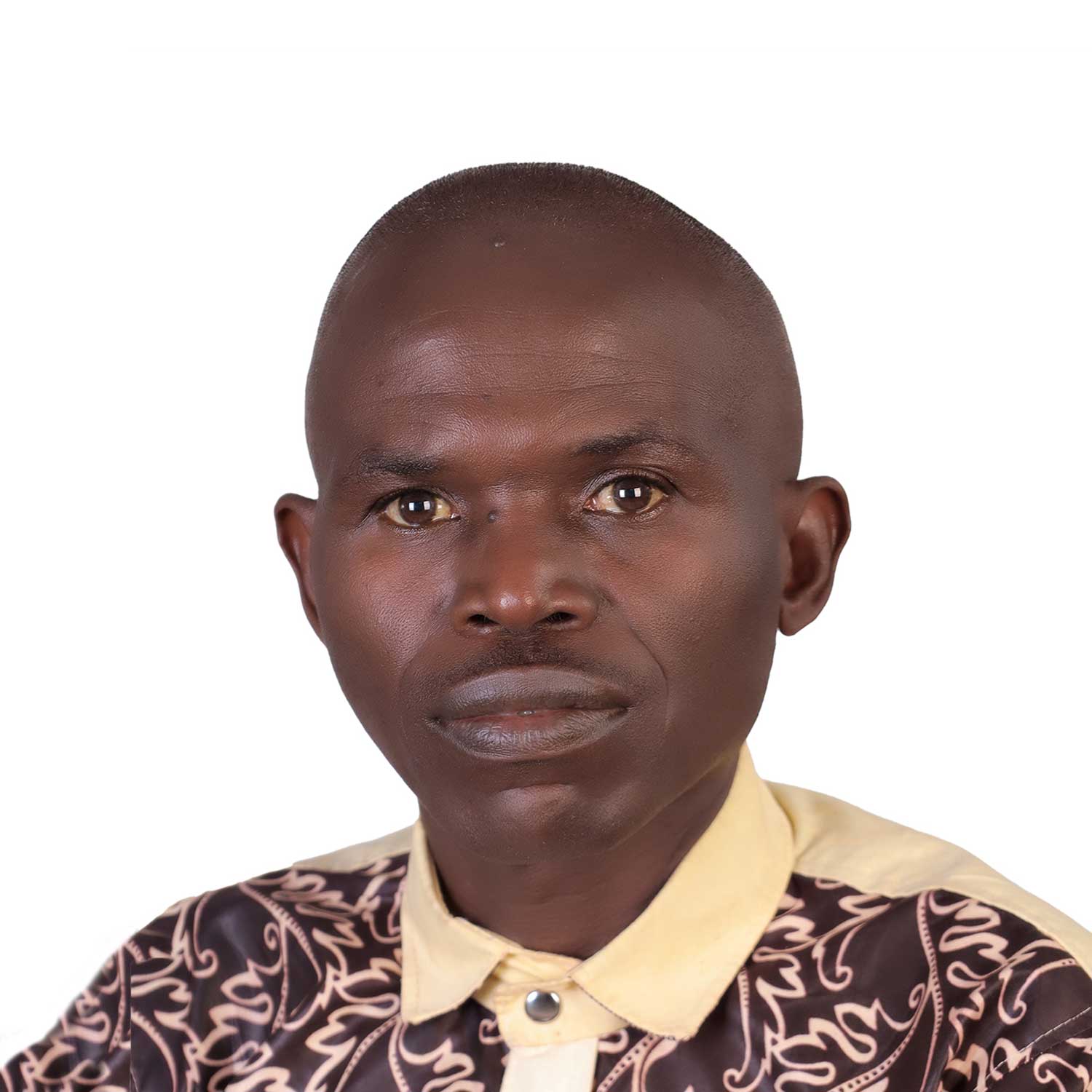
An agricultural engineer who graduated from the University of Burundi in 1999 (Crop Protection specialization), Libère Bukobero quickly oriented his career toward applied research and environmental protection, promoting the responsible use of pesticides. Since 2003, he has been supporting farmers and rural communities in their socio-economic reintegration and sustainable development. He has worked notably with SOPRAD, an organization of the Catholic Diocese of Ruyigi committed to the development of rural communities, and later with ADISCO, a Burundian NGO specializing in community self-promotion, the development of integrated family farms, cooperatives and the farmers’ movement. His commitment is rooted in the values of the social and solidarity economy and in the promotion of local knowledge.
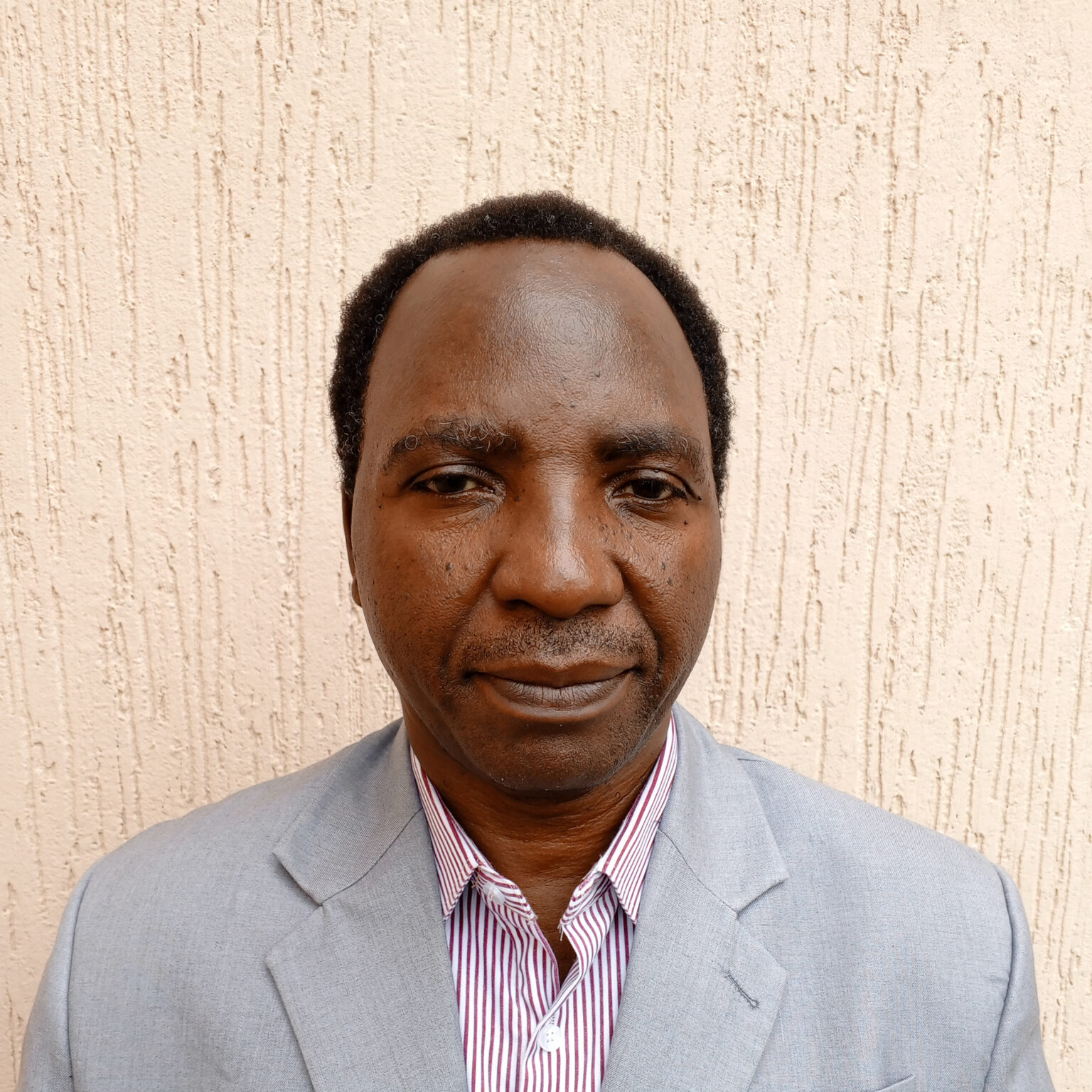
Holder of a Master’s degree in Microfinance Institution Management (UCAC, 2010) and a Bachelor’s degree in Economics and Management (University of Lomé, 1999), Sowada Sory Akuete is also certified in management through the Boulder International Microfinance Program. A professional in the financial sector for more than 26 years, he works at WAGES, a microfinance institution in Togo, where he currently serves as Director of Risk Management, Chair of the Credit Committee, and Head of Anti-Money Laundering and Counter-Terrorism Financing (AML-CFT). His career has enabled him to develop strong expertise in finance, microfinance, risk management, internal auditing and governance. Committed to sustainable development and responsible finance, he wishes to place his expertise at the service of Philea.
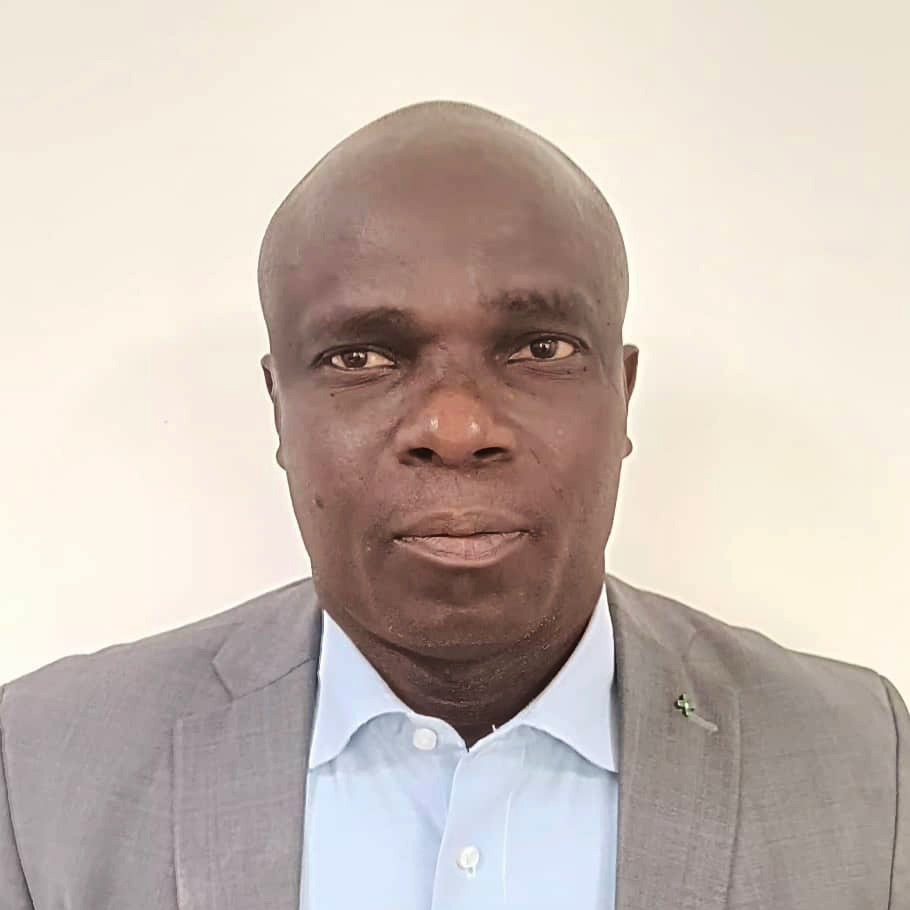
Isabelle Chevalley Traoré holds a PhD in Science. She teaches circular economy at universities in Mali and Niger. She has extensive field knowledge, particularly in Africa, where she has been developing projects for more than 20 years. She served as a Swiss National Councillor for 10 years. She is currently a member of the extra-parliamentary commission on development cooperation.
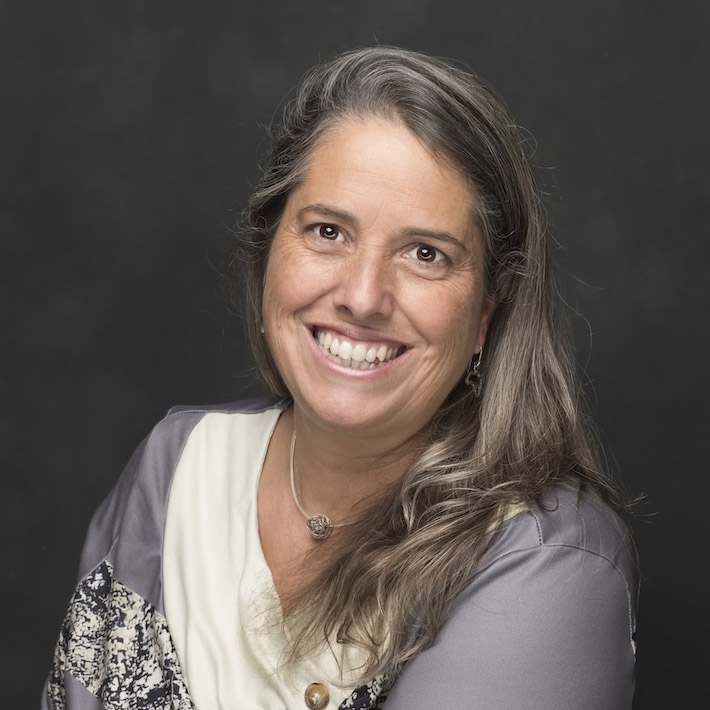
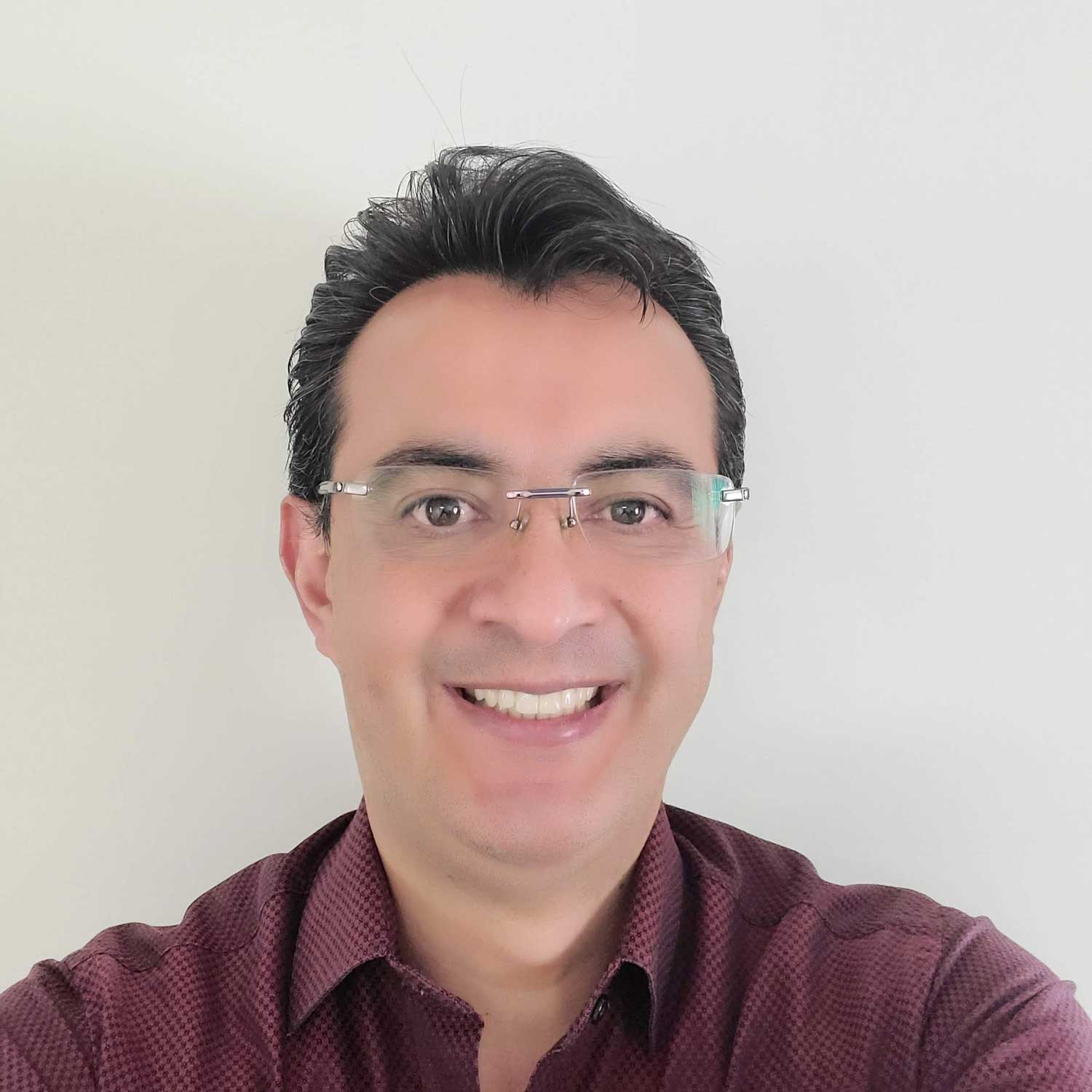
Sergio Cortez Valdivia has 30 years of professional experience in the banking sector specializing in microfinance and in the agricultural export cooperative sector. He has collaborated with Philea since 2004 as a local correspondent in Peru and, since 2023, he has served as a board member at Banco VisionFund in Ecuador and World Vision in Peru. He has extensive consulting and executive experience in microfinance institutions at both national and international levels, as well as in the cooperative sector involved in the export of organic agricultural products. He is an industrial engineer, business administrator and holds a Master’s degree in Banking and Finance.
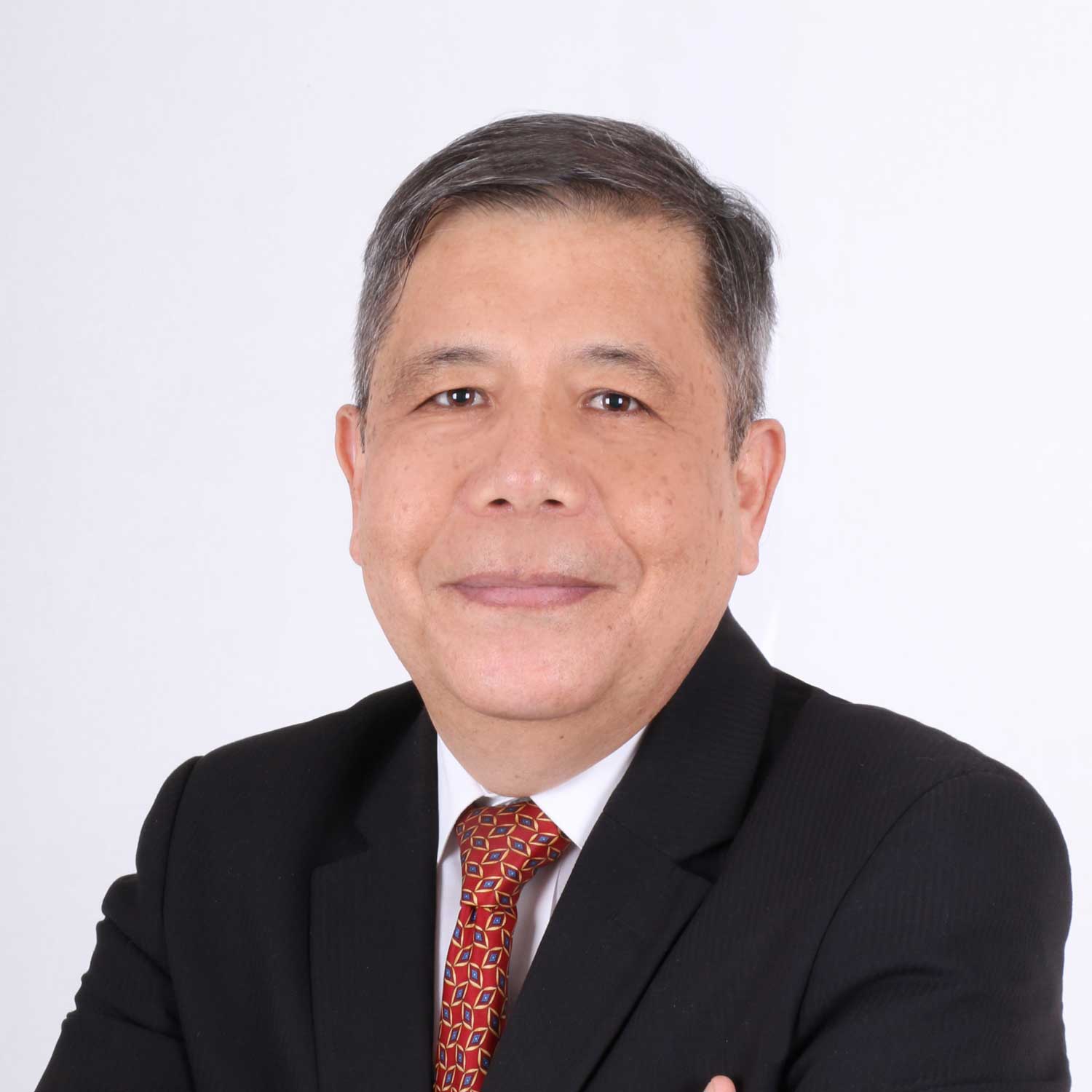
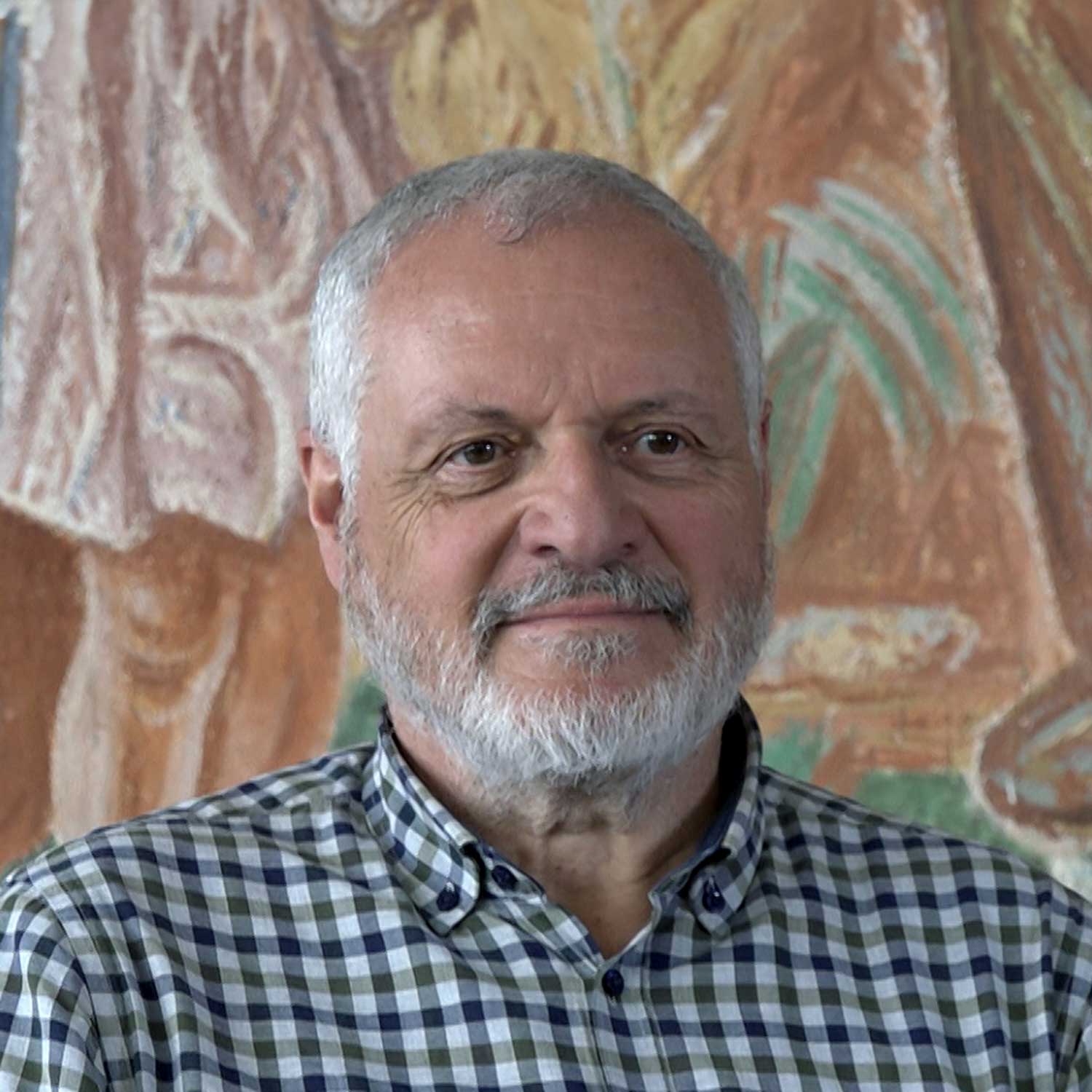
Daniele Enrique Fino worked for 35 years in the field of international development cooperation, serving as a lecturer, program officer and Deputy Director at IUED/IHIED. In the 1980s he contributed to the creation of RAFAD (Research and Applications for Alternative Development Financing), which led to the creation of the International Guarantee Fund (FIG) in 1995 and later became Philea in 2017. He served as Chair of Philea’s Board of Directors from 2019 to June 2023. A socio-economist, Daniele-Enrico is a trainer, researcher, consultant and board member.
Pedro Joaquin Castillo is Chair of the Board of Directors of the savings and credit cooperative COOPEFACSA in Nicaragua. COOPEFACSA is headquartered in Nueva Guinea, in the south-central region of the country, and the cooperative has been a member of Philea since 2012. His extensive experience in the microfinance sector will help strengthen Philea’s service offering in the field of the social and solidarity economy (SSE). He holds a degree in Educational Sciences and is a specialist in accounting and credit risk analysis for cooperatives.
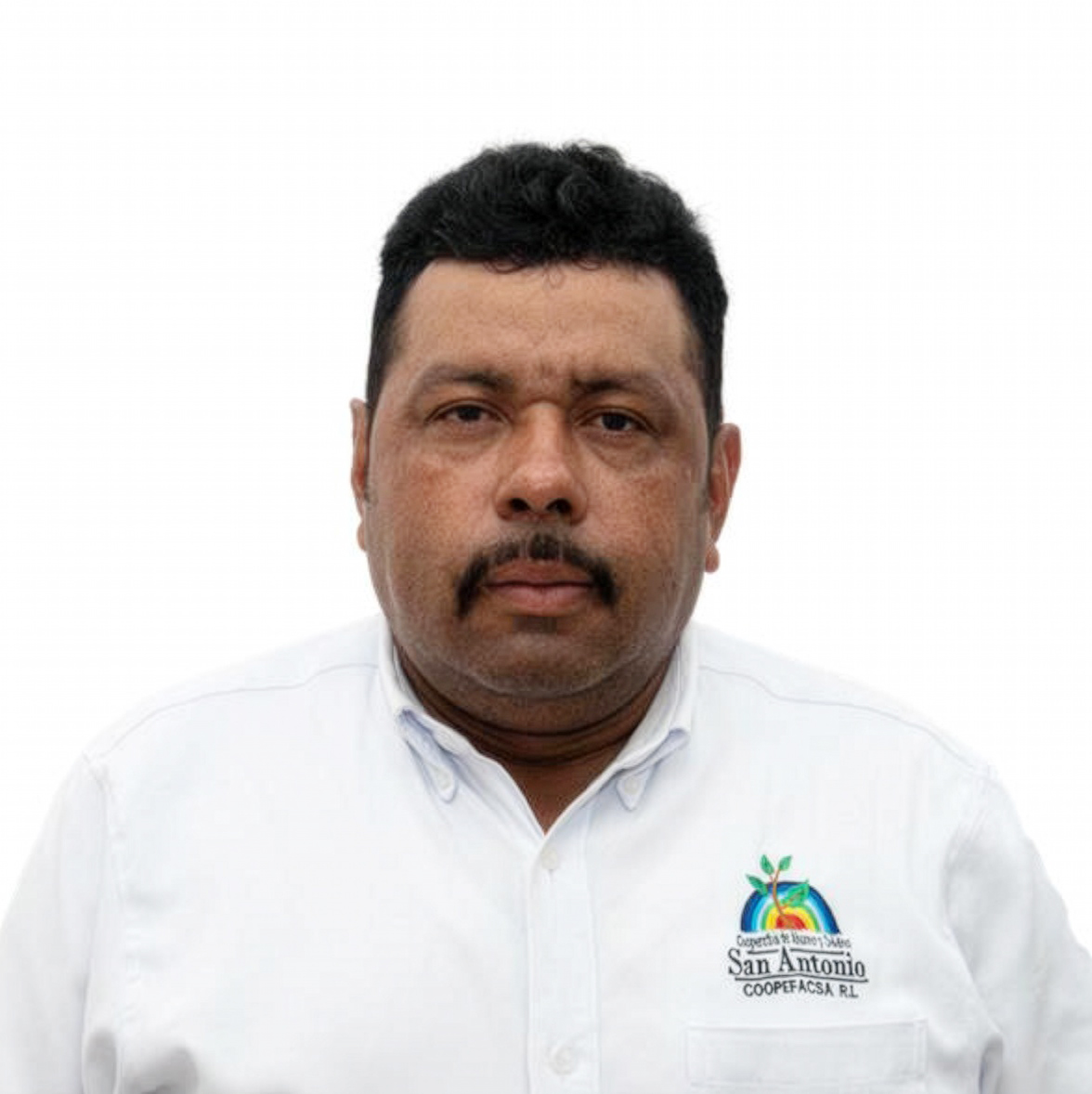
In 1983, Dominique Lesaffre managed a hospital in the Amazon region, and in 1984 he joined CCFD to lead its Africa department. He then worked for 9 years with RAFAD and in 2001 joined SIDI, a French pioneer in international microfinance, which he led from 2015 to 2022. He serves as a board member of numerous organizations, including Centenary Group Uganda and Centenary Bank Malawi, Fair Trade Lebanon in Lebanon, ProEmpresa in Peru, ACAD Finance and DAMAN in Palestine, UBTEC in Burkina Faso, CIF in West Africa, as well as SEFEA and FEBEA in Europe. He is an economist specializing in financing local development.
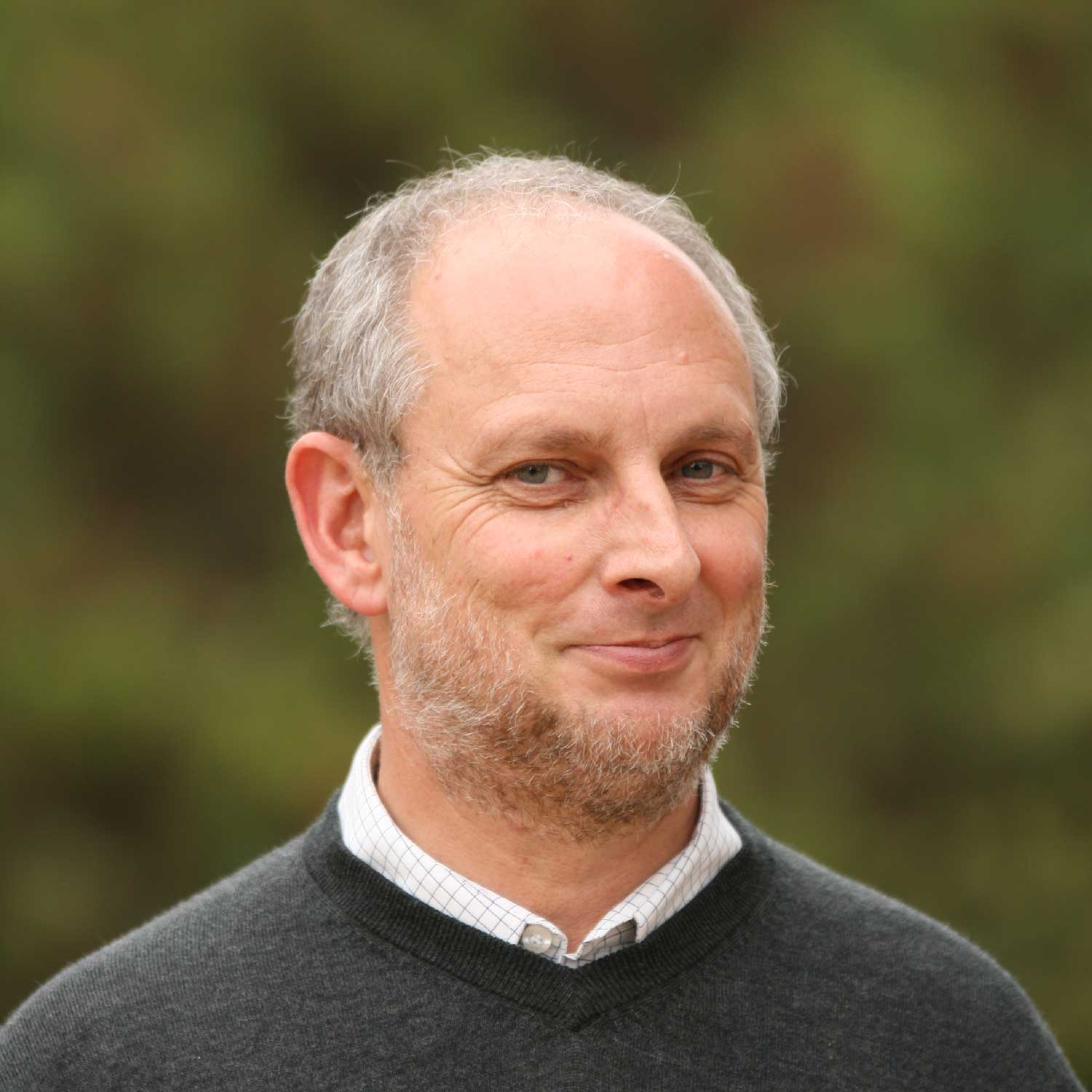
Thierry Regenass is a consultant and former senior executive in the public sector, foundations and the sports sector. He served as Director of the Foundation for Buildings for International Organizations (FIPOI) until February 2026 and has more than thirty years of experience in the humanitarian sector, Swiss diplomacy, international organizations and the private sector. He served as President of Servette FC in 2023–2024 and as diplomatic advisor to Swiss Confederation President Pascal Couchepin in 2008. He also headed the FIFA Associations and Development Division, overseeing development programs across its 208 member associations. During his career he has been posted in the occupied Palestinian territory, Afghanistan, Sri Lanka, Mozambique, Thailand, the United States and Kenya, among other places. Born in Geneva, he holds a Master’s degree in International Relations from the IHEID.
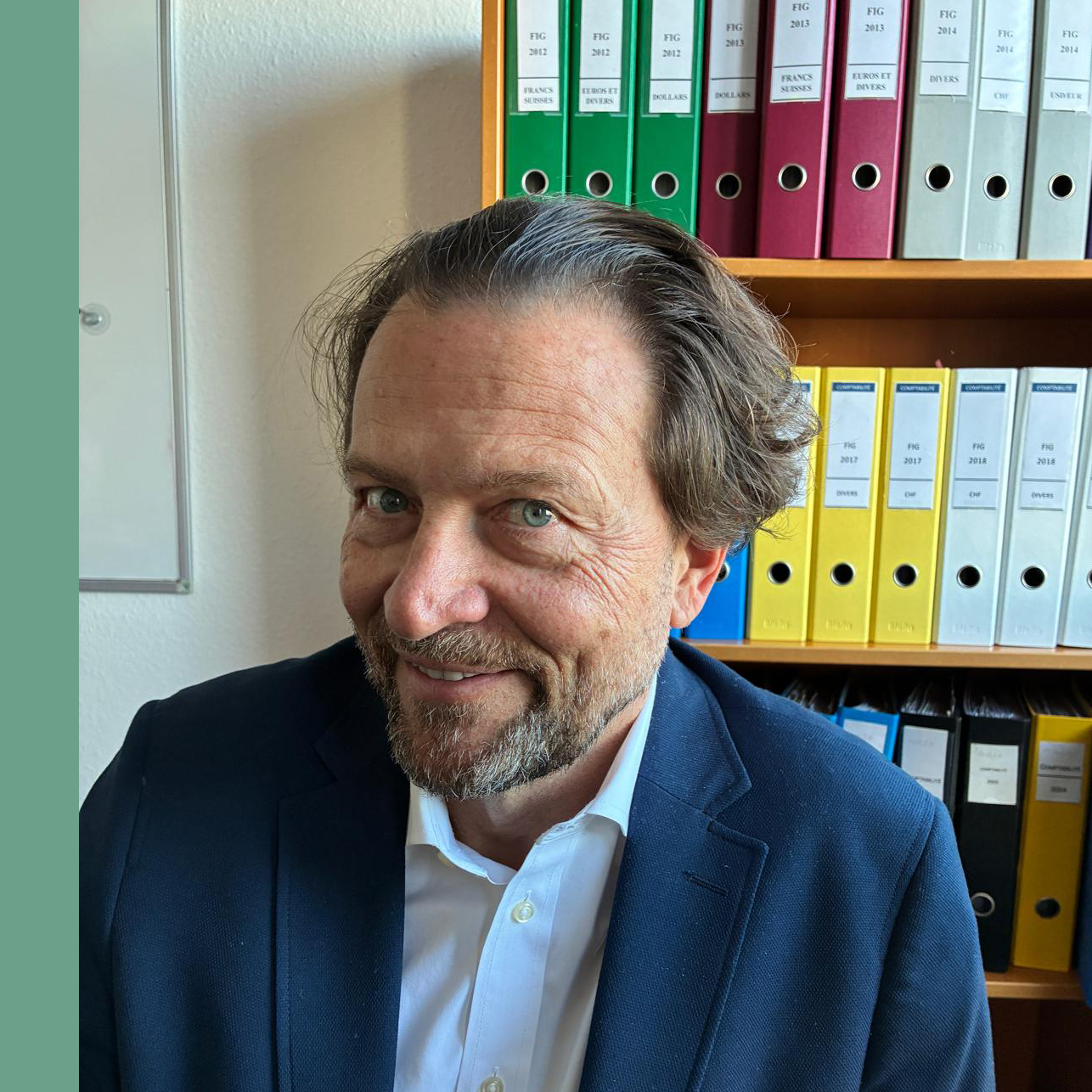
Holder of a degree in Human Geography and a Master’s degree in Anthropology, François Rossier has worked since 1994 as a microfinance expert and has carried out missions in 50 countries, mainly in Africa, the CIS and Asia. He joined Philea in 2017 and contributed to the development of the new strategy. He served as a member and Chair of the Board of Directors from December 2022 to February 2026, before taking on the operational leadership of the organization.
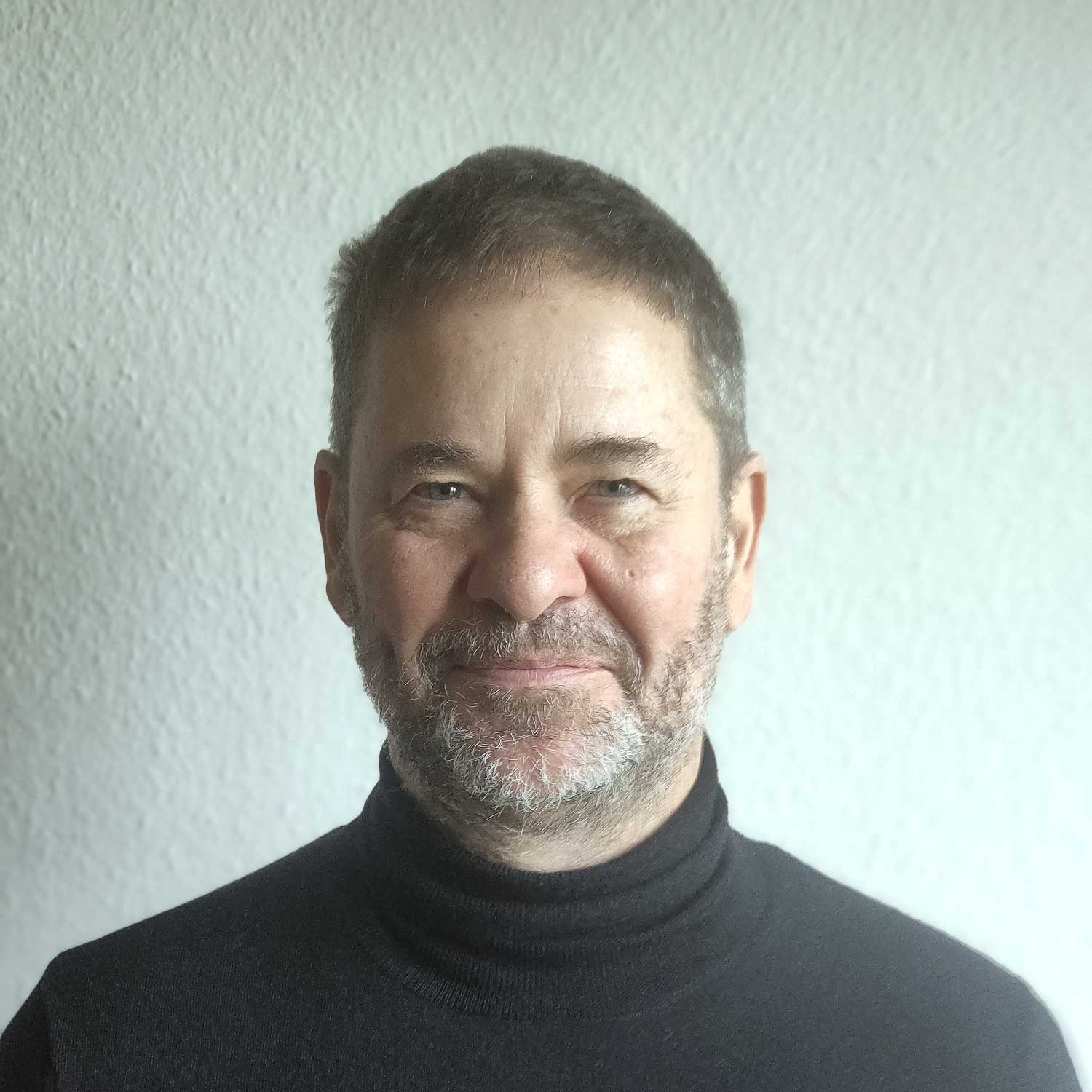
Holder of a Master’s degree in Economic and Social History, Alain Vergeylen has collaborated with Philea since 2005. He previously served as Executive Director before handing over the role to François Rossier in February 2026. As Administrative and Financial Manager of Philea, he also ensures the coordination of technical assistance projects.

Local correspondents are Philea's relays on the ground. Having good knowledge of the field and being on site, they maintain relationships with members and pass on information.
Philea members are legal entities (public bodies, NGOs, etc.) or individuals who hold shares in the cooperative. By saving together, they contribute to the cooperative's mission. Each share costs CHF 200, and entitles the holder to participate in Philea's democratic life.
| Continents | Members | Member’s share |
|---|---|---|
| Africa | 27 | CHF 309'200 |
| Latine America | 25 | CHF 237'000 |
| Europe | 78 | CHF 772'400 |
| Total | 130 | CHF 1'318'600 |
Would you like to become a Philea cooperative member?
Fill in the membership application form.